The Pain of Non-Diabetic Peripheral Neuropathy
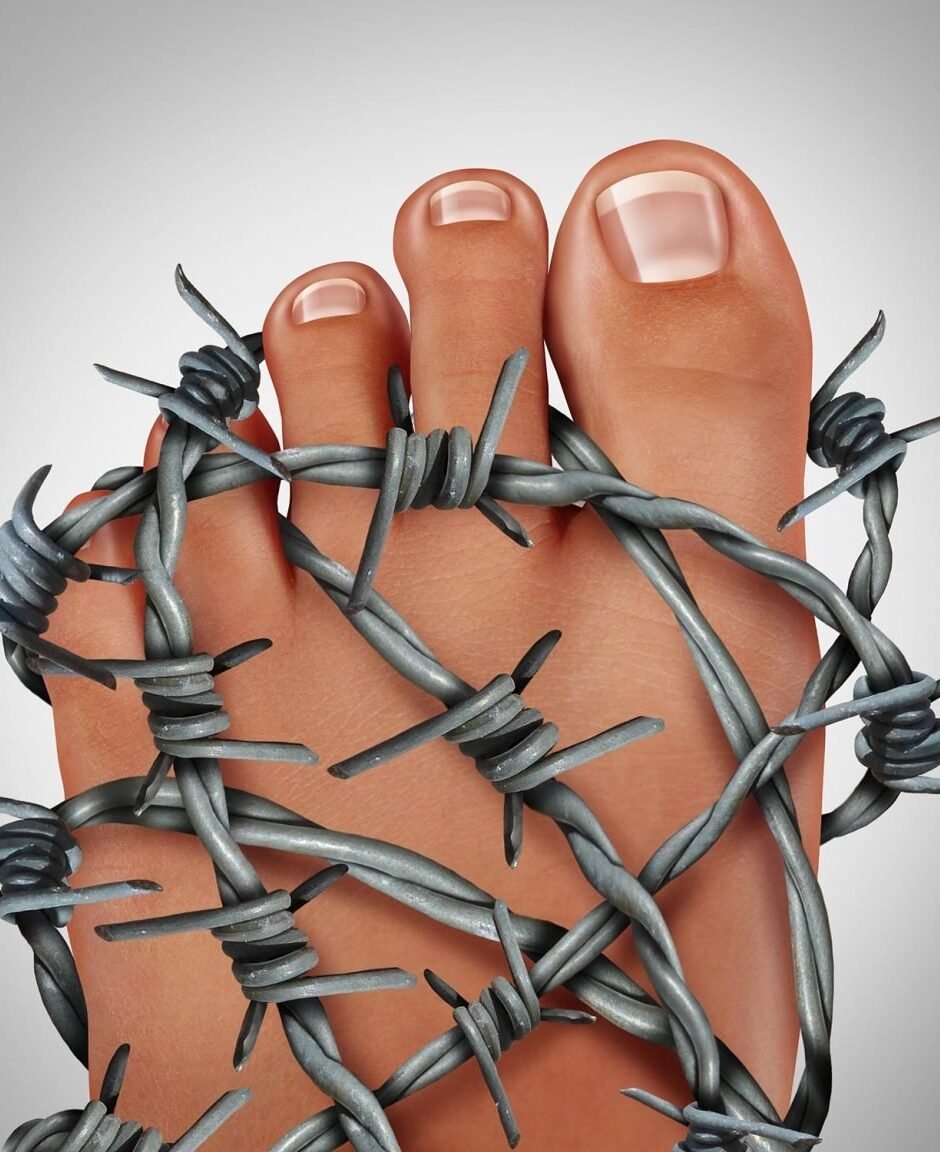
Numbness or tingling in your hands or feet — especially during long drives or periods of sitting — is more common than most people realize. While diabetes is a well-known cause of neuropathy, many individuals without diabetes develop similar nerve symptoms. In these cases, the problem often comes from irritated, compressed, or malfunctioning peripheral nerves rather than a metabolic condition.
Peripheral nerves act like communication lines between your brain, spinal cord, and the rest of your body. When they become stressed or inflamed, signals may slow down, misfire, or fail to reach their destination altogether. This can create sensations such as pins and needles, burning, numbness, or a vague “off” feeling in the hands, feet, fingers, or toes. Because driving involves long periods of stillness, gripping, and repetitive posture, it’s one of the most common times these symptoms become noticeable.
At DeMaio Family Chiropractic & Physical Therapy, we help patients in Bowie and Gambrills identify what’s contributing to their nerve irritation and provide non-invasive strategies to restore comfort, mobility, and confidence in everyday activities — including time behind the wheel.
Why These Symptoms Develop
For many patients, non-diabetic neuropathy develops gradually. The hands and feet are the farthest points from the spine, so they are the first areas to reveal circulation changes, nerve compression, or postural strain. Long hours of sitting, working at a desk, or gripping a steering wheel can add mechanical stress to already-sensitive nerve pathways.
Common contributors include repetitive motion, chronic inflammation, nutrient deficiencies, joint or spine misalignment, prior injuries, pressure on nerve tunnels, or conditions that reduce healthy blood flow.
Sometimes the underlying cause is obvious; more often, it reveals itself through a careful history and a detailed functional examination.
What matters most is not simply managing the sensation, but addressing the factors that are interfering with healthy nerve function so symptoms don’t become long-term or progressively more limiting.
Our Approach to Non-Diabetic Neuropathy in Bowie & Gambrills, MD
Our clinics use a comprehensive, hands-on approach to help improve nerve function and reduce discomfort. That begins with understanding how your symptoms show up in your daily life — whether it’s tingling during your commute, numbness when using your phone, or a burning sensation that appears when you’re resting.
From there, we build treatment plans that may include gentle chiropractic techniques, soft-tissue therapy to reduce tension around nerve pathways, and targeted exercises that support circulation and nerve mobility. We also provide guidance on posture, ergonomics, driving habits, footwear, activity patterns, and other lifestyle factors that may be contributing to irritation.
Supportive therapies such as Class IV laser treatment and physiotherapy modalities may also be recommended when appropriate. These can help reduce inflammation, promote tissue repair, and create a healthier environment for nerves to recover.
Our goal is long-term improvement — not temporary relief — by strengthening the structures that protect and support your nerves.
Why Physical Therapy Matters
Pain often comes from two sources:
- The injury itself, and
- The weakness or instability that develops afterward.
Physical therapy focuses on correcting the second part—strengthening the muscles, tendons, and stabilizing structures that support your spine and extremities. When done correctly, PT helps:
- Reduce the likelihood of recurrence
- Improve flexibility and joint mechanics
- Accelerate healing
- Restore functional strength
- Improve balance and movement patterns
- Support long-term spinal health
Many patients come to us after years of “patchwork” care—treating the pain, but never the underlying weakness. PT fills this gap.
Physical Therapy for Work Injuries & Personal Injury Cases
Our office works closely with workers’ compensation patients, injury attorneys, and case managers. We understand that recovery isn’t just physical—it requires accurate documentation, consistent updates, and reliable communication.
We provide:
- Detailed injury evaluations
- Treatment plans tailored to job-related demands
- Clear progress reports
- Documentation required by insurers and attorneys
- Communication regarding work restrictions and return-to-duty guidelines
This ensures your legal team has everything they need to support your case, while you receive the care needed to safely regain strength and function.
What Physical Therapy May Include
Your PT program may incorporate a range of restorative techniques, including:
- Therapeutic strengthening
- Flexibility and mobility training
- Core stabilization
- Postural correction and ergonomic guidance
- Balance and gait training
- Functional movement training
- Soft-tissue therapies
- Physiotherapy modalities (muscle stimulation, ultrasound, etc.)
- Class IV laser therapy for pain & inflammation (if indicated)
Your plan is customized based on your diagnosis, physical demands, and how your body responds during treatment.
Your Care Team: Consistency Between Both Locations
Whether you choose your Physical Therapy in Bowie or Physical Therapy in Gambrills location, your experience is seamless:
- Same rehabilitation approach
- Same clinical standards
- Same equipment
- Same ability to coordinate with your chiropractor
- Same communication support for legal cases
This means your progress won’t depend on which clinic you walk into—and you won’t lose momentum if your schedule changes during care.
Begin Your Rehab Journey Today
If you’re recovering from an injury, building strength after long-standing pain, or simply want a more stable, resilient body, our physical therapy team is here to help.
Call whichever office is more convenient for you and take the first step toward feeling and moving better:
📍 Bowie Clinic – (301) 262-4545
📍 Gambrills Clinic – (410) 721-2222